
Published 5 November 2026 · 6 min read
By Digital Property Zone — Lahore property dealer for Central Park Housing Scheme, Grand Avenue & Rehan Garden 2
Property as an Inflation Hedge in Pakistan: Why Land Holds Value
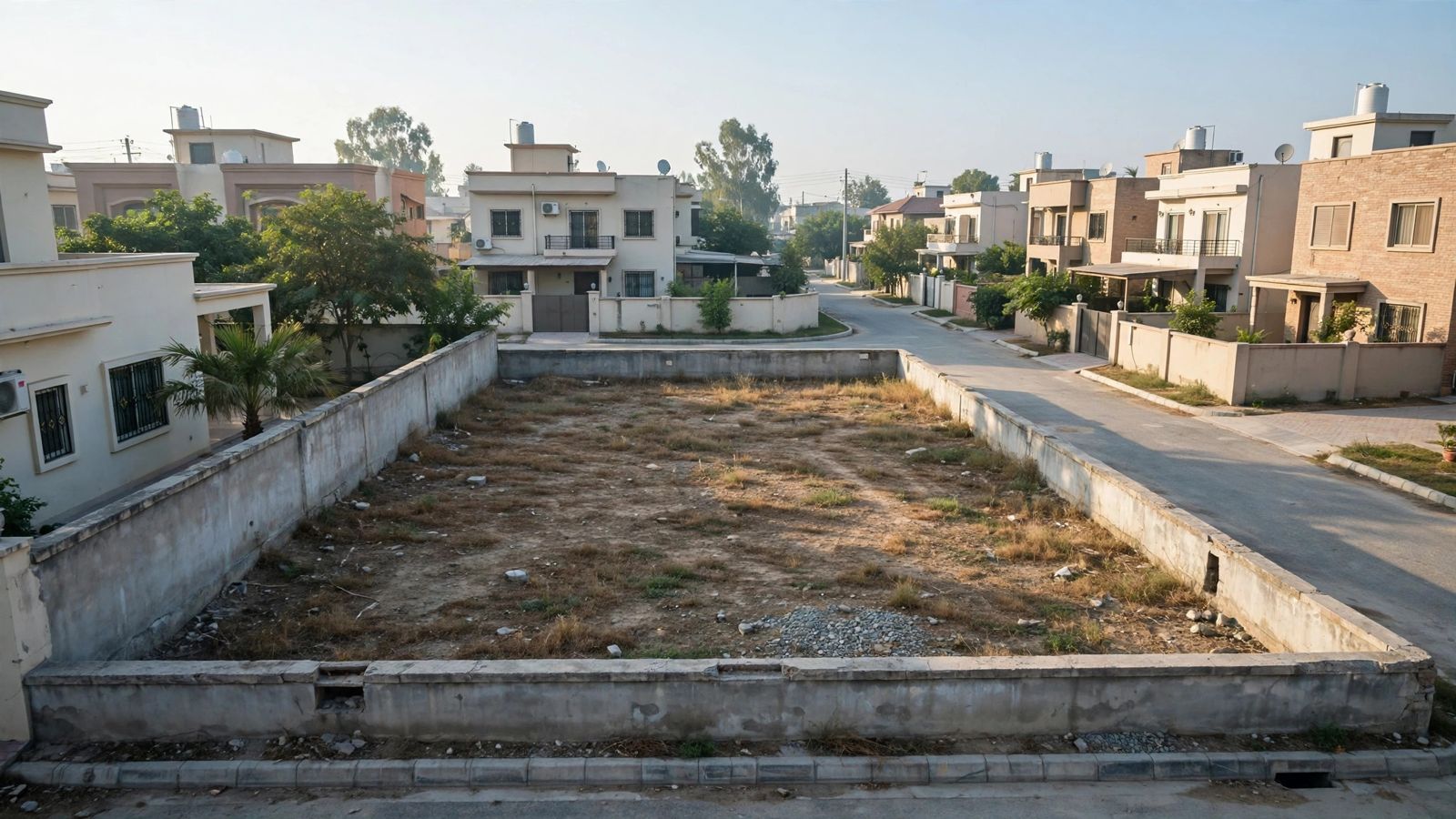
When prices rise year after year and the rupee buys a little less than it did the year before, many families in Pakistan ask the same question: where can savings sit safely? For a large number of Lahore buyers, the answer has long been land. A plot in a growing housing society such as Central Park Housing Scheme or Grand Avenue pays no monthly rent, but it has a strong record of holding its value while cash sitting in a bank account quietly loses purchasing power. This guide explains why property is treated as an inflation hedge in Pakistan, how that protection actually works, and where it can fail, so you can decide with your eyes open.
What an inflation hedge really means
An inflation hedge is simply an asset whose value tends to rise along with the general level of prices. If the cost of food, fuel, building material and labour all climb by a certain amount over a few years, a good hedge climbs by roughly a similar amount, so the wealth stored in it keeps its real buying power. Cash is the opposite: a lakh rupees kept in a drawer or in a low-interest account buys less every year, because the prices around it keep moving up while the money itself stays still. Property earns its reputation as a hedge because its price is tied to the same costs that drive inflation: land becomes more expensive when construction costs rise, because building a new house costs more, and when the city grows, because more families are competing for a limited supply of plots. That link is the reason so many Pakistanis, including overseas Pakistanis sending money home, have traditionally put a large share of their savings into a plot rather than leaving it in cash.
Why land in Lahore has held up
Lahore keeps growing outward, and that growth is the engine behind the hedge. New families arrive every year, and the city adds housing societies along corridors such as Ferozepur Road to hold them. A plot in a society that is steadily developing gains value for a simple reason: the land is the same, but the area around it becomes more useful. Roads get carpeted, street lights and parks appear, shops open at the corner, and neighbours start building. Each of these steps makes the next buyer willing to pay more than the last one did.
Development pace matters more than the name of the society. A plot in a block where houses are already going up usually holds its value better than a file in a society where development has stalled for years. That is why experienced buyers walk the streets before they buy: a society with occupied houses, a working main boulevard and steady construction is a far safer store of value than a boundary wall and a promise. Our guide on how long to hold a plot explains why patience and development go together.
Where the hedge works best, and where it does not
The hedge is strongest for possession-ready plots in societies where people already live. These plots track the general rise in prices closely, because a buyer can build on them straight away and the demand is real. Files and bookings in new launches can also rise, but they carry more risk: if development is slow, the file may sit flat for years while inflation keeps eating away at the money you paid. A hedge that does not move is not a hedge at all.
Time horizon is the second condition. Land is a slow hedge, not a quick one. Over one or two years a plot can stay flat or even dip while construction costs rise, especially if the wider market is quiet. Over five to ten years, the pattern has generally favoured the patient holder, because the city grows, costs rise and the same plot sits in a more developed area. Anyone buying a plot as a hedge should plan to hold it for years, not months, and should never put in money they may need urgently. If you are comparing sizes, read our guide on the best plot size for investment before deciding.
The costs that eat into the hedge
A plot is not a free hedge, and honest accounting matters. When you buy, you pay transfer taxes and the society's transfer fee; when you sell, you pay them again. Development and possession charges can add a meaningful amount on top of the plot price, especially in societies that bill them later. Add the cost of a boundary wall and basic upkeep, and the real return over a few years is lower than the headline price difference between buying and selling. Liquidity is the other hidden cost: unlike a bank deposit, a plot cannot be sold in a day. Finding the right buyer at the right price can take weeks or months, and in a slow market you may have to accept less than you hoped. That is why a plot should be only one part of a family's savings, not the whole of it. Keep enough cash for emergencies, and treat the plot as the long-term part of your wealth, not the part you will need next month. You can browse available plots to see what the current asking prices look like in our focus areas.
How to use property as a hedge without overcommitting
Start with a budget you can genuinely afford, and buy in a society you have visited and understood. A 5 Marla plot in a developing block of Central Park Housing Scheme or a budget-friendly plot in Grand Avenue is enough to start; you do not need a kanal to benefit from the hedge. Check that the society is properly approved, that the plot has a clear file and that development charges are known before you pay, not discovered afterwards.
Then hold, and let the area do the work. Visit the plot once in a while, keep the boundary wall in good shape, and stay in touch with the society office so you know when possession or development milestones arrive. Avoid borrowing heavily to buy a plot as a hedge, because loan payments are fixed while the plot's value is not guaranteed, and that combination turns a safe store of value into a monthly burden. If you are weighing cash against land, our payment plans page shows how instalment options can spread the cost without stretching your budget.
Property has earned its reputation as an inflation hedge in Pakistan because it is tied to real things: land, bricks, labour and a growing city. Used wisely, with a realistic budget, a developed society and a long holding period, a Lahore plot can protect your savings from the slow loss that inflation brings. Used carelessly, with borrowed money or a file in a stalled society, the same purchase can disappoint. If you would like help choosing a plot that fits your budget and your time horizon, Digital Property Zone can walk you through the options in Central Park Housing Scheme, Grand Avenue and Rehan Garden 2. Message us on WhatsApp at +92-312-0046947, or contact us and we will help you find a plot worth holding.
Written by Digital Property Zone
We deal in plots and houses in Central Park Housing Scheme, Grand Avenue and Rehan Garden 2, Lahore — and write these guides from our own market work in these societies.